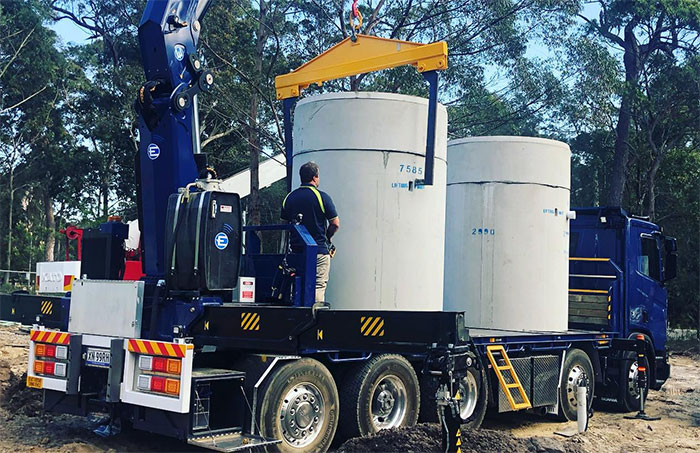
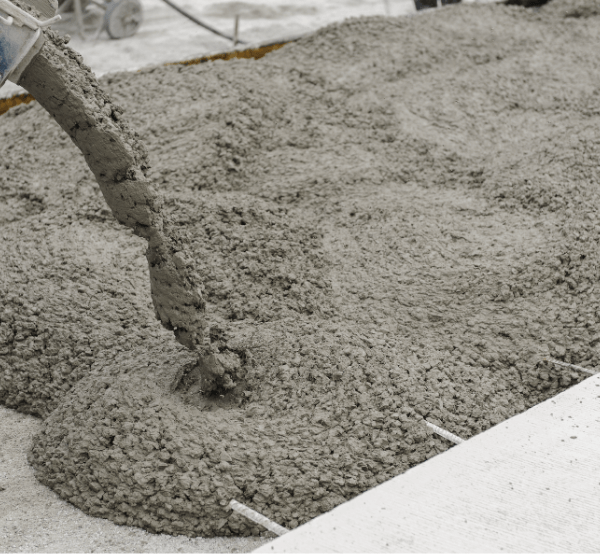
Stronger Concrete

Two of the most common water storage methods are (plastic) polyethylene tanks and underground concrete water tanks. So, if you go online and search ‘tanks in Australia’ you’ll get tons of hits. This can be puzzling and overwhelming because you don’t know how to tell which company offers the best quality and service.

Well, when you shop with Sydney Tanks, we offer a few options that other tank suppliers don’t. That’s why our customers trust us. To start with, we’re friendly and open in all our dealings. We don’t have any hidden costs, and we won’t make a single move unless you’re okay with it. In fact, our first step with any client is a free consult.

Free evaluation and quotation

We’ll send our team to your site, so they can discuss your water storage requirements and inspect your property or premises. Once we have a clear on-ground perspective, we’ll tell you what we think works best for you. We’ll give you a detailed breakdown including price and visual layout, and we’ll do it all without any charges. Submit the free site plan to your local council. We’ll wait for their go-ahead – and yours – before we do anything.

Your tank will have an overflow flap and mosquito mesh to prevent animals and dirty water from entering the tank. Our stainless steel pumps are part of the tank package, and we can install a rain switch too. Once programmed, the switch alternates rainwater and municipal water, triggering itself back and forth when the tank level is too low or adequately high.

Some parts of your home or office collect less rainwater than others, due to barriers or varying topography. That’s why the site visit is so important. As part of our evaluation, we will tell you the best location for your tank, and draft a downpipe plan with turrets in various heights. This system will help you collect the maximum amount of rainwater, and we won’t bill you for the site plan – just the installation if you choose to go forward.

Council-approved installations

If you want one, we can add a First Flush system. It keeps the water clean by ensuring the first water off the roof – the one that probably has accumulated dust and twigs – is led away from the tank. First Flush redirects those first 170 litres of initial rainfall. Our tanks are reinforced with steel and come with a 30-year guarantee. It covers replacement and repair within our terms, so you won’t be left hanging if anything goes wrong. In addition to tanks, we also provide stormwater detention tanks, pits, and grates.

Underground storage has to be strong enough to support the weight above it, but light enough not to crush the tank below. We design our in-ground water tanks with solid, reinforced lids that weigh at most 9.5kg and can handle a load of up to 1,500 tonnes. These lids are locked with stainless steel bolts for added safety, and their 600mm fastenings can easily be opened when you need to clean and maintain the tank.

For quality tanks that last for decades, call Sydney Tanks today on 1800 041 111.
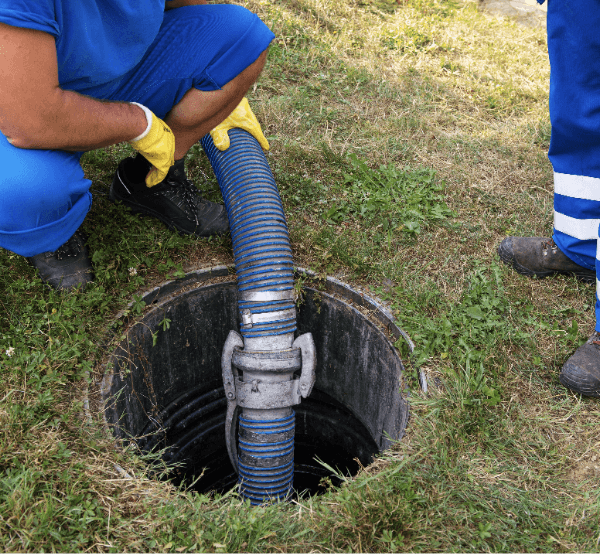
Wastewater Treatment Solutions

Recycling water in your home is a great way to save costs and be environmentally friendly.

As a home owner, it is important to understand the different types of household wastewater and the ways in which these can be disposed and recycled.

There are 3 types of household wastewater:

  • BLACK WATER – This is wastewater that is generated from a toilet. It is heavy and directly contaminated with human waste.
  • GREY WATER – This is wastewater that comes from your hand basin, shower, laundry and kitchen.
  • SEWAGE – This is a combination of both black water and grey water.

There are 3 ways this waste water can be disposed of:

  • CENTRALISED – Through pipes called sewers into a sewage system and treated in a single large sewage treatment plant, where it can be converted into a resource for selective reuse. For example; car washing, outdoor household garden watering, toilet flushing, golf course watering and irrigation of crops. The treated effluent may also be discharged into rivers and oceans.
  • DE-CENTRALISED – Through pipes into a local community small sewage treatment plant for local community reuse.
  • ON-SITE SINGLE DOMESTIC WASTE WATER MANAGEMENT SYSTEMS – A system where the sewage or components such as grey water must be fully treated for utilization or reuse within the property boundaries.

An  Aerated Wastewater Treatment System (AWTS) is a great example of an onsite domestic wastewater management system.

A BioSeptic AWTS treats household wastewater and can be reused in your garden.

Wastewater is treated and recycled to the property where it is produced, rather than moving the waste problem to a town sewage treatment plant.

When you install a BioSeptic AWTS in your home, it means you will pay for water once and use it twice.

An economical and environmentally friendly solution.

We love helping our customers save money and the environment, so if your looking for an AWTS (or perhaps you know someone who is) contact us today on 1300 658 111

Harvesting Rainwater

Water is the most essential commodity for life. People have built their settlements based on water availability since the beginning of time. However, the rapid growth of urban centres and cities like Sydney puts a strain on natural water reserves. While municipalities do their best to supply water to all their residents, factors out of their control can lead to shortages. These include prolonged drought, extreme heat, water contamination and a range of logistical challenges.

Water supply uncertainties in several parts of the country have made people invest in water storage tanks. Water tanks give you some degree of freedom from the volatility of water supply, especially during crises. However, they can take up a lot of square footage. To save space, many people are installing underground water tanks in Sydney. This article looks into some of the main benefits you can enjoy by saving space and water with underground concrete tanks.

Enjoy Better Views

Underground water tanks allow you to enjoy uninterrupted views of your property, neighbourhood and environment. This is very valuable if you have a small yard.

Many people find greenery to be very therapeutic. Yet, if faced with a choice between water security and a great view, water security will always win. Underground water tanks allow you to enjoy both options. They save you from compromising the quality of your view.

Alternative uses for your yard

Installing an underground concrete tank allows you to repurpose your yard. Concrete is one of the strongest building materials available. Depending on how your tank is built, you may not have any limitations on how to use the space on top of it.

At Sydney Water Tanks, we can provide you with underground tanks that work well with any function you have in mind for your yard. With our tanks, you can host parties, plant a vegetable garden or even install an outdoor kitchen in your yard. If you don’t want to build any structures, you can use it as a safe play area for your kids and pets.

Adds Value to Your Property

Extra water storage is a valuable addition to any house. Underground water tanks are very appealing if you plan to resell your house. This is because they rarely interfere with any design modification plans. Your tank can give you a competitive edge over other sellers in the market.

Water-Saving Benefits of Underground Concrete Tanks

Lower Utility Bills

You can easily connect a rainwater harvesting system to your underground water tank. This allows you to collect and use free water any time you want. You can water your lawns, wash your driveway or fill up your pool at no extra cost. You will not need to worry about monthly water bills or the rising municipal levies ever again.

Reserve Water Supply

You can fill your underground water tank in the rainy seasons and use your reserves during sporadic water shortages. Sporadic shortages can be caused by burst pipes and other logistical challenges. Reserve water supply frees you from the pressure your neighbours may be facing to find water. With a well-sized tank, your reserves could keep you hydrated until the water supply crisis can be averted.

While saving space and water, underground tanks teach you to be more conservative. When using piped water, you can’t know when it is about to run out. Yet, you can see the water levels in your tank every time you use it. This can make you more conscious of the environment and motivate you to find ways to save and recycle water.

Space and Water Savings: Underground Concrete Tank

Water is the most essential commodity for life. People have built their settlements based on water availability since the beginning of time. However, the rapid growth of urban centres and cities like Sydney puts a strain on natural water reserves. While municipalities do their best to supply water to all their residents, factors out of their control can lead to shortages. These include prolonged drought, extreme heat, water contamination and a range of logistical challenges.

Water supply uncertainties in several parts of the country have made people invest in water storage tanks. Water tanks give you some degree of freedom from the volatility of water supply, especially during crises. However, they can take up a lot of square footage. To save space, many people are installing underground water tanks in Sydney. This article looks into some of the main benefits you can enjoy by saving space and water with underground concrete tanks.


Space Saving Benefits of Underground Concrete Tanks


Enjoy Better Views

Underground water tanks allow you to enjoy uninterrupted views of your property, neighbourhood and environment. This is very valuable if you have a small yard.

Many people find greenery to be very therapeutic. Yet, if faced with a choice between water security and a great view, water security will always win. Underground water tanks allow you to enjoy both options. They save you from compromising the quality of your view.


Alternative uses for your yard

Installing an underground concrete tank allows you to repurpose your yard. Concrete is one of the strongest building materials available. Depending on how your tank is built, you may not have any limitations on how to use the space on top of it.

At Sydney Water Tanks, we can provide you with underground tanks that work well with any function you have in mind for your yard. With our tanks, you can host parties, plant a vegetable garden or even install an outdoor kitchen in your yard. If you don’t want to build any structures, you can use it as a safe play area for your kids and pets.


Adds Value to Your Property

Extra water storage is a valuable addition to any house. Underground water tanks are very appealing if you plan to resell your house. This is because they rarely interfere with any design modification plans. Your tank can give you a competitive edge over other sellers in the market.


Water-Saving Benefits of Underground Concrete Tanks


Lower Utility Bills

You can easily connect a rainwater harvesting system to your underground water tank. This allows you to collect and use free water any time you want. You can water your lawns, wash your driveway or fill up your pool at no extra cost. You will not need to worry about monthly water bills or the rising municipal levies ever again.


Reserve Water Supply

You can fill your underground water tank in the rainy seasons and use your reserves during sporadic water shortages. Sporadic shortages can be caused by burst pipes and other logistical challenges. Reserve water supply frees you from the pressure your neighbours may be facing to find water. With a well-sized tank, your reserves could keep you hydrated until the water supply crisis can be averted.

While saving space and water, underground tanks teach you to be more conservative. When using piped water, you can’t know when it is about to run out. Yet, you can see the water levels in your tank every time you use it. This can make you more conscious of the environment and motivate you to find ways to save and recycle water.

Read Also:

Safety and Maintenance of Rainwater Harvesting Tanks

If you want to survive a water shortage or extended drought, you should consider installing a rainwater harvesting system. Rainwater harvesting gives you access to fresh water for domestic use without the bills. In Sydney. If you want to save on space you also have the option of getting an underground tank, which is hidden away from sight.

Standard rainwater harvesting systems collect one litre of water for every millilitre of rainfall hits a square metre of your roof. This is one of the most efficient ways to fill your water tank, plus it is completely free.

To secure the longevity of your rainwater harvesting system, you should ensure that it is installed correctly. It is also important to carry out routine maintenance especially before the rainy season begins. Here are a few tips to keep in mind when installing and maintaining your rainwater harvesting system.


Use Pressure Resistant Construction

It is important to make sure your rainwater harvesting tank meets the highest safety standards if you install it underground. Your underground water tank should be made from steel fibre reinforced concrete to withstand large amounts of external pressure. It should also have watertight seals to prevent leakage.

These are stringent conditions that can only be verified by professionals. An easier way to ascertain the quality of your tank is to work with a reputable installation company. The best water tank companies offer long-term structural integrity guarantees of up to 30 years for their work. Installing your tank properly saves you from a wide variety of maintenance challenges during its lifetime.


Be Sure to Protect Your Water

It is much easier to prevent your water tank from contamination than to clean it. As such, there are several ways to keep your rainwater storage tank clean. The water inlet of an underground tank should be raised to prevent groundwater from draining into it. You can also install leaf screens or baskets as well as gutter guards to keep debris, leaves and small animals out of your tank.

You should check and clean your tank’s screening devices regularly. Leaves and debris can clog the inlet of your water tank and prevent it from filling up efficiently. Also, the long-term accumulation of organic matter at the inlet of your tank can cause water contamination. If not cleared out regularly, the leaves can rot or form nesting grounds for various types of bacteria or fungi.


Perform Regular Roof Maintenance

Regular roof maintenance is an essential part of ensuring the rainwater you harvest is safe. All the rain that gets into your tank first traverses your roof and gutters.

Your roof maintenance schedule depends on the type of roof you have. If you have tile or slate roofs, you should check if there is any rot or mould growing under the tiles. For metal roofs, you should make sure that the iron sheets are free from rust.

Roof debris and rust particles can easily get past your leaf screens and into your tank. Vermin like rats, lizards and insects can settle in your gutters during the dry months. Your best line of defence is to clean your roof and gutters before it rains.

If you take good care of your rainwater harvesting tank, it will serve you well for many years. At Sydney Water Tanks, we understand that every customer is unique. Our staff are always ready to listen to your specific requirements and find innovative ways to fulfil them.

Read Also:

Safeguarding Rainwater from Mosquitoes

Throughout history, there has been an organism which has caused annoyance and discomfort to many trying to enjoy the outdoors. They are, of course, a breed of insects called mosquitoes, more commonly referred to as “mozzies.” While you don’t have to panic that these treacherous insects will likely bring you deathly diseases each time they bite, you still don’t want swarms of them hanging around your backyard. At the very least, they are a nuisance, and the bites are itchy.


The fact is mosquitoes breed in water. They particularly enjoy water that stands still; like the water in your rainwater tank. It is an ideal place for them to live and to lay eggs. In Australia, they are commonly responsible for carrying the Barmah Forest virus, the Ross River virus, and the infamous dengue virus. There were actually seven large outbreaks of Dengue between 1897 and 1955 in Australia. With rainwater tanks and their invitation of mozzie families as a common cause, they were ousted in most homes by the ‘90s. However, water tanks are seen as a fantastic way to source water, save money, and save the environment, as long as the mozzies are kept under control. Today, there are much better tools and educational materials available to better do so.


Precautions to Prevent Mosquito Breeding

The most obvious and most crucial way to prevent mosquito breeding in your water tank is to put a mesh mosquito filter on top of where the water collects. It is advisable to cover inlets and overflows with tightly fitted screened caps. Basically, all access points should be attended to and addressed to ensure infiltration cannot happen by any means. In ground water tanks at Sydney water tanks come with a 1mm steel mosquito-proof filter. That means water entering here is kept very clean and safe.


It would be best if you also considered other ways mosquitos may get into your water tank, such as through the gutters. The eggs can possibly wash into the tanks and get in that way, so you must also guard these areas. You should further make sure that rainwater is not pooling in any areas, besides your water tank. When water collects, for example in areas beneath the tank outlets, it also becomes a breeding area for mosquitos. They can surprisingly lay eggs in relatively low-depth pools of water, so don’t dismiss these. Having breeding areas around your water tank can lead to worse problems.


Even when following these precautions, you should still regularly check for mosquito larvae every six months, to be sure these pesky pests have not infiltrated anywhere near your water supply. It is important that the filters remain undamaged and intact. Preventing problems before they happen is key to make sure they don’t worsen before they begin.


It’s Worth It

Although mosquitoes and the possible breeding of them in water tanks pose a serious threat, proper maintenance and care can prevent them from ever becoming a problem. By making sure you won’t provide a happy home for them in or near your water tank, you can reap all of the benefits water tanks have to offer without any of the risks.

Read Also:

FAQ about Underground Water Tanks

There are a number of questions you may have in your mind if you’re considering installing an underground water tank at your home. If you’re curious to learn more, you’ve come to the right place.

Underground water tanks provide a number of advantages when compared to other methods of water storage – mostly because they are excellent options if you’re looking to save outdoor space.

In this post, we will answer some of the most common questions regarding the use and installation of underground water tanks. Keep reading to understand more about how these tanks work and how they compare to other water storage products.


How much water can an underground water tank hold?

In-ground water tanks come in a variety of sizes – and they can even be custom-built to create larger tanks, based on your specific requirements. At Sydney Water Tanks, we offer products in the following sizes:

  • 3,800 litres
  • 6,100 litres
  • 10,000 litres
  • 11,500 litres

In situations where you need more storage capacity, we are able to interconnect multiple underground tanks to suit your needs.


Are underground tanks better than above-ground tanks?

It depends on several factors. If you are looking to maximise space in your garden area, underground tanks offer a significant advantage. You can leverage your existing space for entertaining and other outdoor activities, rather than using up space for water storage.

Also, underground tanks aren’t susceptible to damage caused by extreme weather conditions, such as wind, rain, bushfires and hail. You may save money by installing your tank in a secure space, beneath the ground’s surface. And since they are not accessible to outsiders, they also tend to be more secure.

However, above-ground tanks have certain benefits as well. You have more choice when it comes to where you want to install the tank, and they are typically easier to fix if they become cracked or damaged.


What are underground water tanks made of?

Your family depends on having access to a secure, reliable water source. For this reason, your underground tank should be built from strong and durable materials.

At Sydney Water Tanks, our products are made from extra strong steel-fibre reinforced concrete. In the case that damage occurs, we also offer a 30-year structural guarantee on our in-ground water tanks.


Where can I get more information about buying a tank?

It’s essential to buy from a water tank company that you trust. We will work with you to understand the unique landscape of your property and find an in-ground tank that suits your needs.

To learn more about the product range from Sydney Water Tanks, call us on 1800 041 111. Our staff are trained to help you evaluate the ins and outs of different water tanks and understand how you can start collecting rainwater for your in-home use.

We ensure efficiency and effective installation options to make the process as seamless as possible for you and your family. Request a quote from Sydney Water Tanks and get started on your underground water project today.

Maximize Savings: Underground Water Tanks for Space and Cost Efficiency

The effects of climate change such as unpredictable rainfall and prolonged droughts are evident all over the world. In September, Reuters published an article predicting that Australia would experience a widespread water crisis before the end of 2020 unless the rain patterns change. Evidence of this is clear with several parts of New South Wales and Queensland experiencing drought conditions since 2016.

With limited and unpredictable rainfall, now is the best time to invest in rainwater harvesting systems. Installing an underground rain water storage tank is essential to securing your water supply. It can help to support your family’s water demand in the rainy and dry seasons. In this article, we focus on some of the benefits of an underground water storage tank.

Underground Water Tanks Saves Space

An underground concrete water tank only takes up space during construction. Once installed, it is out of sight. This allows you to repurpose the space for lightweight features such as an outdoor dining area.

An underground water tank is a great option if you have limited space around your house. For extra water storage, you can build a deeper tank without compromising structural integrity. Sydney Water Tanks offer superior engineering solutions and advice. We can guide you on the type and size of tanks that would be best suited for your application.


Underground Water Tanks Saves Water

By collecting rainwater efficiently, you can conserve the conventional municipal water resources. Stored rainwater can be used directly for flushing toilets, washing clothes and other cleaning activities. You can even use the rainwater to top up your swimming pool. This reduces your demand for water supplied by the city and makes more available for other users.

Underground rainwater storage tanks are quite easy to fill. It is estimated that one milimetre of rainfall spread over a square metre of roofing is equivalent to one litre of water in your tank. The Australian Bureau of Meteorology (BoM) reported that 2018 was the 39TH driest year in their recorded history. Yet, the average rainfall received across the country was about 412.8 mm. As such, a 100 m2 house would have harvested more than 40,000 litres of rainwater in 2018.


Underground Water Tanks Saves Money

Harvesting rainwater can significantly cut down your water bills. This is because rainwater can replace more than half of your household water demands.

Underground water tanks fill up passively. The rainwater harvesting system directs water to your tanks under the force of gravity. This saves you the time and resources necessary to run a pump when filling the tank.

Also, underground tanks are built to last. They are safe from extreme weather conditions, UV deterioration and vandalism. They also have low maintenance requirements. Their minimal operation costs mean that you can recover your investment quickly.

Access to an affordable water supply empowers you to invest in various projects that can save you more money. These include growing vegetables and farming fish, poultry or cattle for personal or commercial use.

Underground water tanks have several other benefits including environmental conservation and increasing the value of your home. If you are interested in learning more about underground storage tanks, contact Sydney Water Tanks today. The friendly staff will guide you to find the perfect solution for your home.


Read Also:

The Underground Water Tanks

In Sydney, a water tank is a vital installation, offering adequate storage to hold water for both domestic and commercial use. With a water tank, a constant supply of water is achieved despite shortages from other sources. A tank also allows efficient rainwater collection.

Nonetheless, tanks come in different shapes and sizes. They vary in design, material and installation and come in the forms of underground water tanks and above-ground water tanks. The underground water tank is a favourite and probably the most beneficial installation. Several properties make the tank the preferred choice among residents and business owners.

Large storage capacity

Underground water tanks are known for holding large amounts of water. The size of the tank is only limited to the design of the tank and the budget available. Buried tanks have a limited capacity since they are designed off-site but concrete underground tanks are built on site, and they stretch as deep as the excavation height. Some of the standard concrete tanks have a capacity of up to 11,500 litres. The large size of underground tanks allows users to make the most from rainwater collection and storage of council water. The tanks ensure steady water supply during shortages. Due to the size, structural support is added to the tanks during installation by using reinforced steel. Sydney Water Tanks guarantees the integrity of their underground tanks to remain intact for over three decades.

Below are just some of the advantages of a water tank.

Protection from damage

Above ground, tanks are exposed to the elements. Storms, bush fires and other natural disasters cause property damage, and above ground, water tanks are rarely spared. On the other hand, underground tanks are safely buried in the ground. Whether a storm hits, or a bush fire invades your property, an underground tank will remain safe and functional. The sturdy structure of an underground tank enables it to withstand forces that may result from tremors and other disturbances. The tanks meet all the standards of safety and construction required for underground structures. Moreover, underground tanks offer an invaluable source of water for emergency use. Fire departments can hook up to underground tanks to combat emergency fires, especially in remote areas.

Proper use of space

Tanks take up a lot of space. Unfortunately, above ground tanks occupy valuable space. The support structure, coupled with the tank, can destroy the outdoor look of your home and get in the way of your landscaping. Underground tanks are concealed. Only the hatch can be spotted above the ground. As a result, the landscaping around your house goes uninterrupted, and your outdoor aesthetics are preserved. Despite holding large capacities, underground tanks do not take up any usable space.

Property value

An underground water tank is a considerable investment that adds to the value of a property. A steady supply of water is an essential consideration for any tenant or buyer looking to acquire a property. If you have an underground tank, you have the upper hand on the property market.

The underground tank is an excellent choice for efficient water conservation and management.


Read Also:

Above Ground Vs Underground Water Tanks

Water shortages in Australia have led to the installation of water storage tanks and rain water harvesting systems all over the country. However, the great debate when acquiring a water storage tank is whether to install an above ground or underground water tank.


Underground Tanks

Underground water tanks are typically chosen by people who want to save space. There are many pros and cons of using underground tanks, and we have highlighted a few of them here.

Advantages of underground water tanks

  • Saving Space: By installing your water tank under the ground, you have more square footage available for other purposes such as lawns, parking space, outdoor kitchens and others.
  • Insulation: the water in the underground tank is not affected by extreme weather conditions. The underground tanks maintain cool temperatures in both winter and summer.
  • Security: underground tanks are safe and secure from vandals and harsh weather conditions. There is no risk of deterioration or damage due to extreme heat or strong winds.

Disadvantages of underground water tanks

  • Costly: the additional cost of digging a pit and extra plumbing can significantly increase the value of water storage. You may also need to install a water pump to access the water quickly, unlike above ground pumps that can depend on gravity instead.
  • Maintenance: if the tank is not fixed correctly and develops cracks (more common in underground concrete tanks) it can be tough to do repairs.


Above Ground Tanks

Above ground, tanks are generally cheaper and easier to install than underground systems. This type of tank is prevalent for people who don’t own the land they live on because they can move with them. Here are just some of the advantages and disadvantages of above ground tanks.

Advantages of Above Ground Tanks

  • Easy and affordable installation: Above ground tanks are easy to install and don’t need a lot of plumbing. They are easy to link to your rainwater harvesting system. They can also be built to deliver water to the house under the force of gravity, saving you pumping expenses.
  • Flexible location: Above ground, tanks can be installed anywhere on your property. You can save on space by building a platform to raise the tanks or installing them on your roof if the structure can support the full tank’s weight.

Disadvantages of above ground Tanks

  • Security: Above ground tanks are vulnerable to vandalism and damage from harsh weather conditions. Strong winds can blow the tank away if it is empty and intense heat can deteriorate or crack the plastic tanks.
  • Insulation: water in above ground tanks is usually very cold in winter and hot in the summer. It can be costly to insulate the tanks, and it is easier to heat or cool the water after fetching it.

When choosing the tank that is most suitable for your location and situation, it is important to evaluate all the pros and cons so that you can make a well-informed decision. Moreover, if you have a set preference, knowing the disadvantages of your preferred option can help you to put the appropriate countermeasures in place.


Read Also: